Common issues when programming used OEM auto parts
Car programming issues refers to problems that arise when trying to program a replacement auto part to a vehicle. This includes situations where the replacement part doesn't function properly due to compatibility issues, faulty hardware within the replacement part, incorrect programming procedures by the installer, or glitches in the vehicle's software itself. These can lead to issues like not being able to stop the car properly, start the car, unlock doors, or use certain features like remote start or cruise-control.
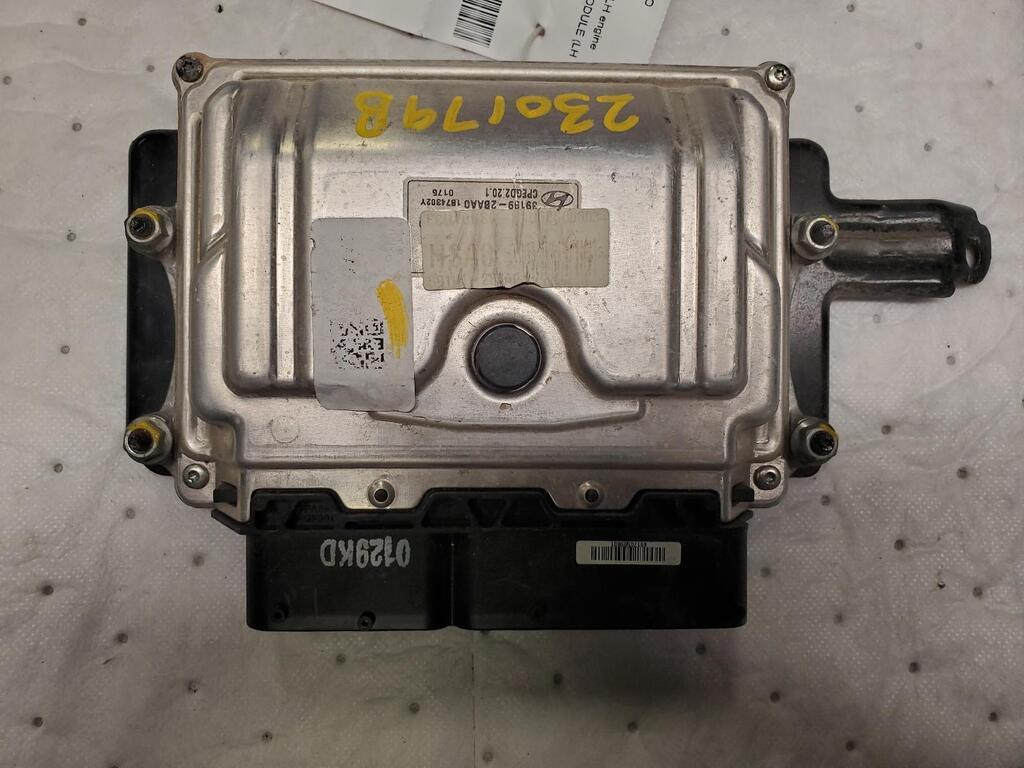
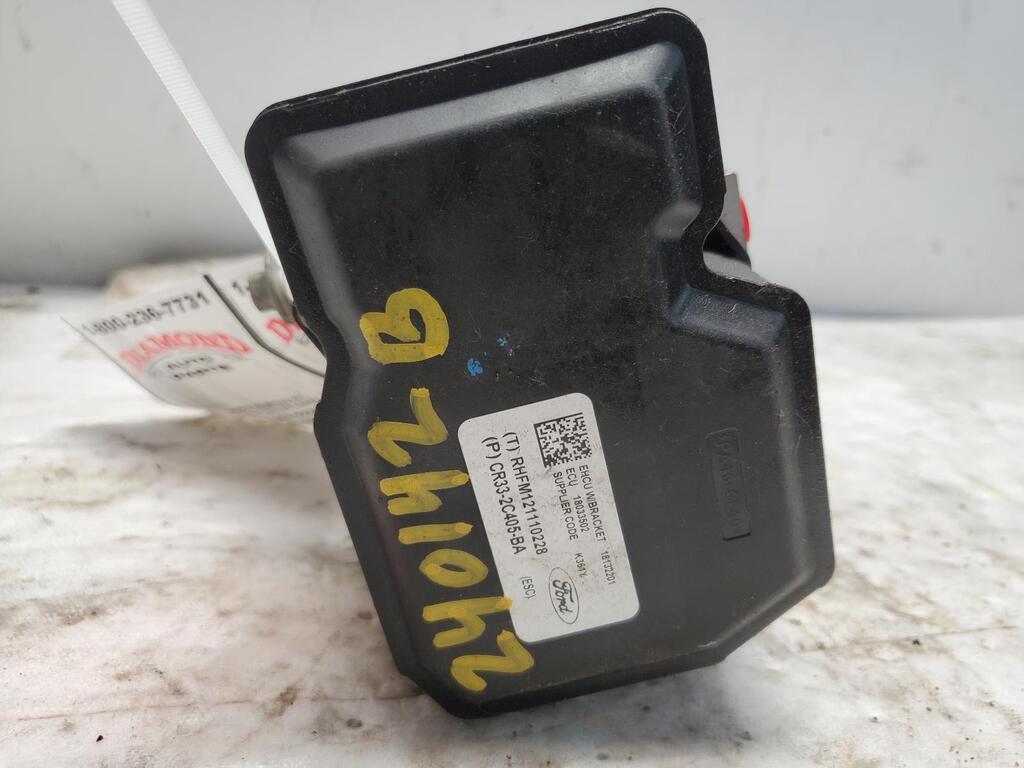
Here's some key aspects to common car programming issues:
Compatibility Problems:
Choosing the wrong part option or having out-of-date programming software can lead to incompatibility with the car's system, causing the replacement part to not work properly in the vehicle.
Hardware Failures:
Faulty transponder chips, worn out sub-components, or physical damage on the part itself can prevent proper programming of the replacement auto part
Vehicle Specific Challenges:
Certain car models have unique security and electronics protocols that can complicate replacement parts programming and require specialized knowledge which may require a certification.
Human Error:
Mistakes made by the installer can lead to programming errors.
Software glitches:
Issues with the car's computer software can lead to programming errors
